creative
Random Animal Writing Prompts: 7 Story Exercises
Use a random animal generator to turn a blank page into a character, scene, or story conflict with seven practical writing exercises.
· 6 min read
Generate animal prompts
Choose a starting point to generate animal prompts with the layout each activity calls for.
A blank page asks you to invent everything at once. A random animal writing prompt gives you one concrete thing to react to: a name, an image, a shape, and an immediate question. Why is it here? Who notices it first? What changes because it appeared?
The animal does not need to be the hero of the story. It can be a clue, a mistaken identity, a visitor, a symbol, or the one detail that makes an ordinary scene feel strange. The point is not to write an animal report. The point is to make a fast choice and keep writing.
How to use a random animal generator for writing
Start with a prompt you did not choose. That small loss of control is useful: it stops you from reaching for the same characters and settings every time.
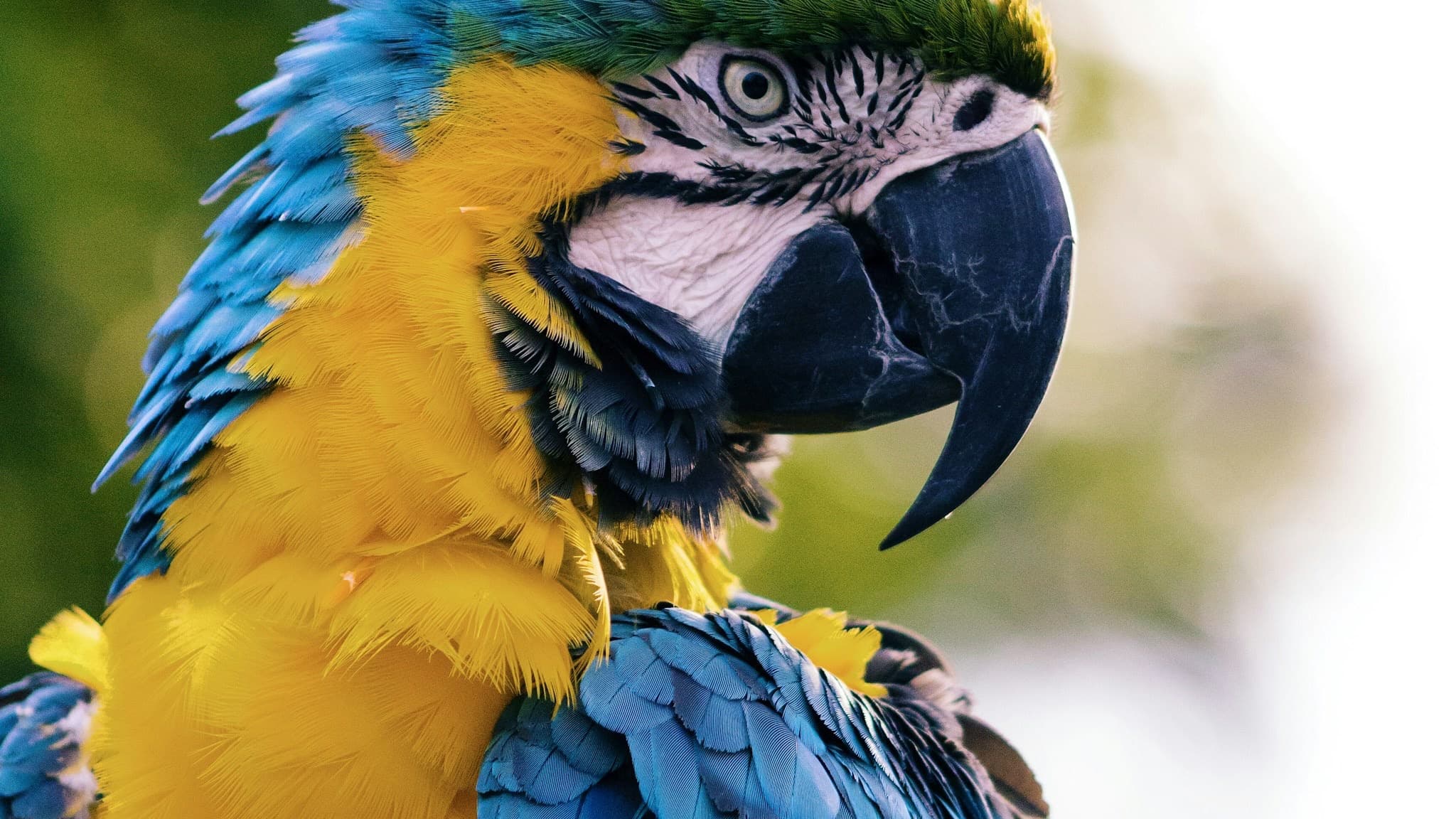
For a first draft, generate one animal with its image visible and its details hidden. Look for three visual cues you can use in a scene: a color, a texture, and a way the subject occupies the frame. Then set a timer for ten minutes and write before you research, edit, or judge the idea.
When you want more tension, generate three animals at once. Do not make them fight by default. Put them in the same place and decide what each one wants from the scene.
Treat the generated animal as a creative constraint, not a source of biological facts. If a story depends on factual behavior or habitat, check a trusted wildlife source before you publish or teach it.
Seven random animal writing prompts
1. Give the animal the first problem
Generate one animal. Before naming a human character, give that animal a problem that must be solved before sunset. The problem can be small, but it should force a choice: a lost key, an unopened letter, a missed train, or a door that should not be locked.
Write the first 150 words without explaining where the animal came from. Let the reader catch up through action.
- Prompt
- Generate one animal with the image turned on.
- Write
- Open with a problem, a deadline, and one decision. Keep the animal's origin unexplained.
- Revision question
- What does the main character risk by helping, ignoring, or hiding the animal?
2. Put three animals in one ordinary place
Generate three animals, then choose a setting that should be boring: a laundromat, school office, grocery aisle, apartment lobby, or bus stop. Someone has to keep the situation quiet. Someone else wants the situation noticed.
The scene becomes more interesting when the setting stays ordinary. Resist the urge to move straight to a jungle, zoo, or fantasy kingdom. The contrast gives you tension for free.
3. Write the object that does not belong
Generate one animal and place it beside an object that has a history: a cracked trophy, a library card, a ring of keys, a birthday cake, or a map with one street crossed out. The object must matter more than the animal at first.
By the final paragraph, reverse that relationship. Reveal why the animal made the object important.
4. Start with a rumor, not a description
Do not describe the animal when it first appears. Let a character tell a rumor instead. Make the rumor too specific to be trusted, such as: "It only shows up when the elevator skips the seventh floor."
Write a scene in which another character decides whether the rumor is nonsense. The generated animal should not appear until the last line, or not at all.
5. Change who gets to speak
Generate one animal and write the scene from the point of view of the person least prepared to deal with it. A building manager, a cautious child, a reporter on deadline, or a neighbor who dislikes surprises will all notice different things.
After ten minutes, rewrite the same moment from a second point of view. Keep the events unchanged. Change only what each narrator chooses to leave out.
6. Build a scene from three visible details
Use the image as a visual prompt. Pick three details you can see, then turn each one into a piece of scene language: a color becomes a warning sign, a texture becomes part of a room, and a pose becomes a character's body language.
This keeps the exercise rooted in observation without pretending that a photo has already supplied your plot. You are not copying the animal. You are borrowing a starting point for mood and imagery.
7. Write an opening line, then stop
Generate a fresh animal and write only three opening lines. Each line must do a different job:
- Line one changes the normal day.
- Line two gives the reader a question.
- Line three makes it harder for the narrator to walk away.
Stopping early is part of the exercise. Save the lines in a prompt bank and return to the strongest one later. A useful opening is often more valuable than a rushed complete story.
Use the prompts in a classroom or writing group
For a quick warm-up, give everyone the same generated animal and five minutes to write a different opening. Read the openings aloud without naming the writer, then ask the group which sentence created the sharpest question.
For a longer session, let each writer generate a different animal, then swap prompts after the first draft. The second writer must continue the story without removing the original animal. That rule pushes writers to build on a detail they did not plan.
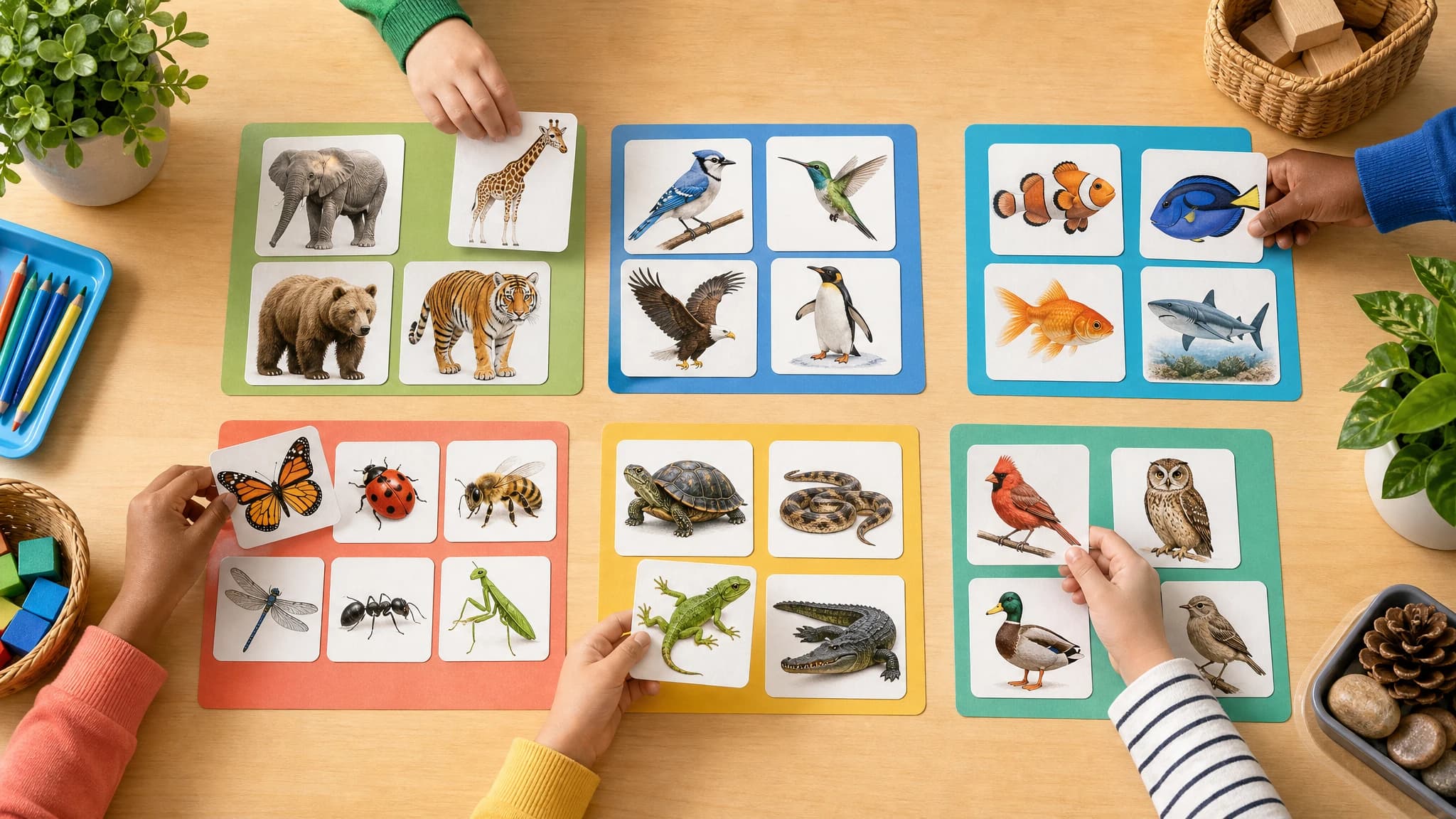
You can also pair this activity with animal classification activities for kids when your group wants to move from creative description into a separate sorting game.
Keep a prompt bank you will actually use
Do not wait for a perfect prompt. Generate an animal whenever you have five minutes, write one opening, and save it with the date. After a few weeks, you will have a collection of scenes, characters, and questions ready for the next time the blank page feels too large.
Start with one animal. Give it a problem. Then write the next sentence before you can talk yourself out of it.